

Navigating the Complexities of International Logistics in B2B Trade
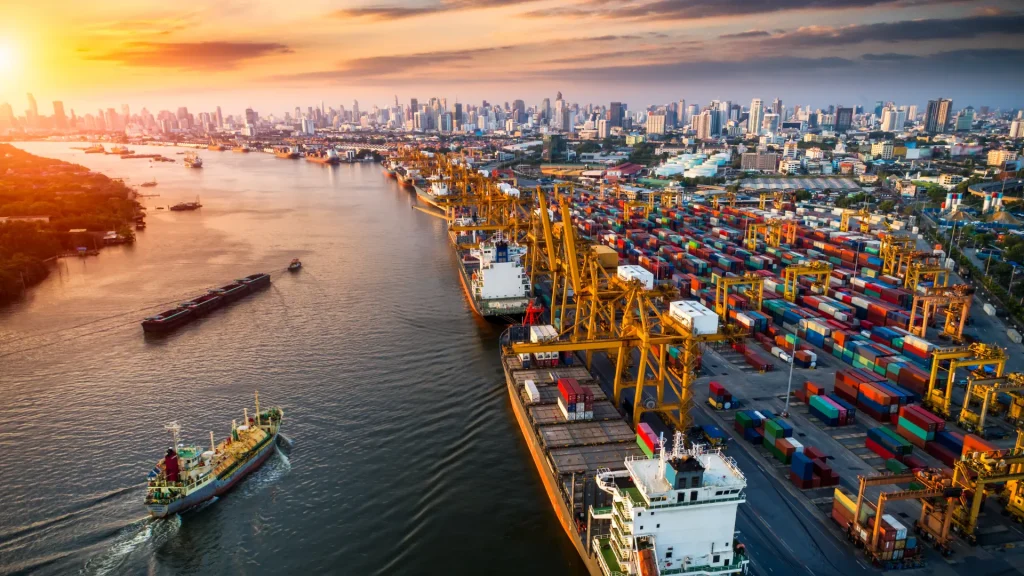
In the world of B2B trade, logistics is a critical component that can make or break a business deal. Efficient logistics management ensures that products reach their destinations on time, in good condition, and at a reasonable cost. However, navigating the complexities of international logistics requires careful planning and strong partnerships.
The Role of Logistics in B2B Trade
Logistics is the backbone of B2B trade, facilitating the movement of goods across borders and through supply chains. From the moment a product is manufactured to the point it reaches the customer, logistics ensures that every step is executed efficiently. In international trade, this involves coordinating multiple modes of transportation, complying with customs regulations, and managing the risks associated with cross-border shipping.
Challenges in International Logistics
Managing logistics on a global scale presents numerous challenges. Businesses must deal with varying customs requirements, different standards for packaging and labeling, and the risk of delays due to unforeseen events like strikes or natural disasters. Additionally, currency fluctuations and changes in trade policies can impact costs and timelines. Without a well-coordinated logistics strategy, these challenges can lead to significant disruptions and financial losses.
Optimizing Logistics with Strategic Partnerships
To overcome these challenges, businesses need to establish strong partnerships with logistics providers who understand the intricacies of international trade. These partners can offer valuable insights into local markets, assist with customs clearance, and provide reliable transportation services. By working closely with logistics experts, businesses can streamline their operations, reduce costs, and ensure timely deliveries, all of which are critical for maintaining competitiveness in global markets.
In B2B trade, effective logistics management is essential for success. By understanding the complexities of international logistics and partnering with experienced providers, businesses can navigate the challenges of cross-border trade and ensure that their products reach their markets efficiently. For companies looking to enhance their global operations, focusing on logistics is a strategic imperative.

